
Know your numbers.
Understand Your Body.
The Science
The human body is not a mystery. It is measurable, interpretable, and deeply intelligent. Biomarkers are how we listen to it. At the simplest level, a biomarker is a signal- a measurable indicator of what’s happening inside your body. It could be a molecule in your blood, a hormone level, a gene expression, or even a change in your heart rate. Biomarkers don’t just tell us that something is wrong. They help detect disease before symptoms appear, track how a condition is progressing, measure how well a treatment is working, predict how someone might respond to certain medications, understand the body’s baseline and deviations from it. Just as your smartphone uses numbers to show battery life and performance, your body uses chemical signals that clinicians and scientists can read. It’s like having a dashboard for your body.
Why Health Can Feel So Hard
Modern health is complicated. We are balancing careers, families, finances, and constant information about what we “should” be doing to stay healthy. At the same time, our biology was shaped for a very different environment — one with less processed food, more movement, and fewer daily stressors. Add to that an overwhelming stream of wellness advice online, and it’s easy to feel like you’re doing something wrong. Often, you’re not. The challenge is not a lack of effort. It’s a lack of clear feedback. Without measurable signals from the body, it’s difficult to know what is actually working. Biomarkers provide that feedback.
Why Biomarkers Matter Now
Healthcare systems around the world are designed to treat illness. They intervene when symptoms appear. But many common conditions develop slowly, long before diagnosis: metabolic dysfunction, nutrient deficiencies, chronic inflammation, hormonal imbalance. During this time, the body is already signaling change. Biomarkers allow us to detect those signals earlier — when there is still time to respond. Proactive health begins with measurement.
What Biomarkers Can Tell You
Biomarkers help answer questions your body is already asking. They can reveal:
• Whether your metabolism is functioning optimally
• If inflammation is present
• Whether nutrient levels are sufficient
• How hormones are regulating energy and mood
• Whether early risk factors are emerging
This information establishes something essential: your baseline. Once you know your baseline, you can observe trends and understand how your body responds to nutrition, movement, sleep, stress, and lifestyle changes. Health becomes something you can measure — and improve.
Personal Health Is Personal
No two bodies are identical. Your genetics, environment, lifestyle, and daily habits all influence how your body functions. That means the path to better health is rarely one-size-fits-all. Understanding your biomarkers allows you to:
• establish your baseline
• identify your priority areas
• make changes that fit your life
Measurement turns guesswork into informed decisions.
Understand Your Numbers
Testing is only the first step. Understanding what your results mean is what makes biomarkers useful. Every biomarker result should be interpreted within a reference range, alongside your personal baseline and health context.
Example:
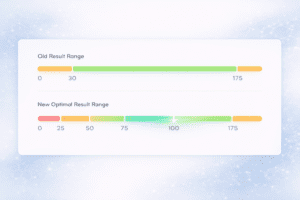
Understanding where your results sit within this range helps you identify whether your body may benefit from nutritional, lifestyle, or medical adjustments. Numbers become meaningful when they are explained.
From Information to Action
Knowing and understanding your biomarkers allows you to experiment with your health more intentionally. Nutrition, movement, sleep, stress management-small changes can produce measurable differences. Over time, consistent testing allows you to see how your body responds and adjust accordingly. This is personal health, guided by data.
A New Standard for Proactive Health
Healthcare should not begin only when something goes wrong. It should begin with understanding how your body works. At Cura360, we believe everyone should be able to:
Know their numbers.
Understand their health markers.
Act with confidence.
Because proactive health isn’t just about preventing illness in the future. It’s about feeling better today — with more energy, clarity, and control over your wellbeing. Start with one test, establish your baseline. Understand your results. Track what changes. Your body is already communicating. Biomarkers help you listen.
Biomarkers Every Adult Should Know
These markers offer simple insights into how key systems in your body are functioning. Understanding them helps you recognize patterns, identify imbalances early, and make informed health decisions.

Vitamin D
The Silent Mood & Immunity Regulator
Vitamin D helps your body absorb calcium. It’s needed to maintain strong bones and a healthy immune system. If you don’t get enough you might feel tired, get sick often, fatigue, have weak bones, and feel anxious or depressed. It helps regulate immunity, bone strength, and inflammatory balance.

HbA1c
Your 3-Month Sugar Story
HbA1c shows your average blood sugar levels over the past three months, giving a clearer picture than a single glucose test. Higher levels may signal prediabetes or type 2 diabetes risk. Tracking HbA1c helps you see how diet, movement, sleep, and stress are affecting your metabolic health.

Ferritin
Your Iron Reserve
Ferritin shows how much iron your body has stored, which is needed to make red blood cells that carry oxygen throughout the body. Low ferritin can lead to fatigue, reduced concentration, hair thinning, or shortness of breath. Testing ferritin can help identify hidden causes of persistent low energy.
Ready to Explore Cura360?
Know your numbers. Understand your body.
Get started with your wellness journey. Know more, worry less, live better.